The music industry doesn’t have to be exploitative. What if artists owned the platforms we depend on? What if musicians shared resources, power, and profits—together?
At the conclusion of the 5th Midwest Regional Rendezvous of worker cooperators, the participants unanimously ratified two declarations in solidarity with immigrants and people facing housing insecurity.
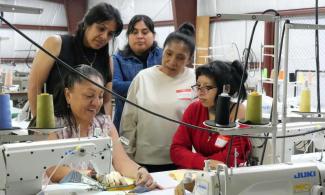
The ‘empresas recuperadas' or worker-recovered enterprise movement in Argentina emerged as a response to the country's sovereign debt crisis of 2001, with workers fighting for their right to run abandoned factories. Central to the movement is an ethos of solidarity, with worker-owned enterprises based on horizontal authority, collective decision-making and shared returns from the business.
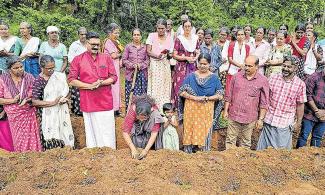
Mari Nishitani discusses her cooperative research trip to two villages in rural Nepal to visit women's cooperatives, on NGO led and one a grassroots effort led by Dalit women.
An MCLE webinar providing political education on the history of worker co-op conversions and suggesting strategies to negotiate worker co-op conversions focused on the workers.
A tribute to Charles O. Prejean, founding charter member and first Executive Director of the Federation of Southern Cooperatives, serving from 1967 to 1985.
I want to emphasize the urgent need to reimagine the relationship between NGOs and cooperatives. Instead of NGOs or funders defining projects based on their own interests, support and resources should be offered at the community’s request.
This study explores the role of solidarity finance in promoting local development and the empowerment of marginalized communities through financial inclusion and access to community credits. It focuses on how solidarity-based financial mechanisms provide accessible credit with fewer barriers, fostering productive activities and economic resilience.
We need to shift to a new system, so that we can be fed, watered, housed, cared for, and enjoy our lives as best as possible in a more environmentally-unstable future.