
In the 1970s and '80s, there were land struggles, assertions of indigenous rights, and attempts to figure out alternative ways of doing things. Cooperatives were one answer — business ownership, supply and demand, could be shared by forming agricultural cooperatives, electric cooperatives, retail or housing cooperatives, even credit unions.
Teresa Young started working at the Northwest Coop Development Center in Washington in 2005, then in 2016, she moved to Waimea on Hawaiʻi Island to work for The Kohala Center. Young is their rural cooperative business development specialist, offering advice and resources to cooperative business ventures.
She says there are dozens of successful and budding co-ops in Hawaiʻi — from credit unions to the highly successful "ulu farmers" cooperative on Hawaiʻi Island. Young says like all operations, they face a tough business environment, but benefit from the co-op advantage.
Listen to the interview on Hawai'i Public Radio
 Hardly a month goes by without another scare story about aspects of our health and care services. The prosecutions at

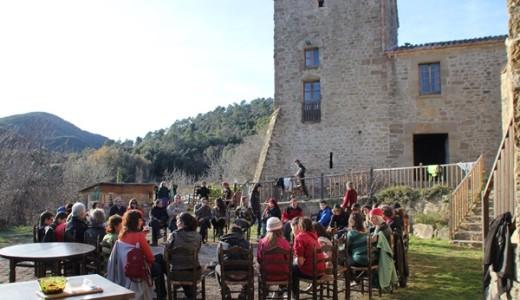
 "The Catalan Integrated Cooperative (CIC) began two years ago; it now has 850 members and several thousand people who participate in debates and projects. Under the label "integrated," the Cooperative functions as a political project seeking to tie together consumer and labor initiatives "and many others, such as education, mechanisms to create a cooperative basic income, eco-stores, collective stores, meetings and events, and a legal structure to help the formation of eco-networks and other similar projects in Catalonia," explains its communication team.
Add new comment