
15 views
Related content
Credit Unions And Co-operative Values
28 views
The roots of modern cooperatives stretch back more than 150 years, but it wasn't until 1995 that the International Co-operative Alliance adopted seven core values around which all cooperatives should operate. When the United Nations declared 2012 the International Year of Cooperatives, these principles renewed an important conversation about what it means to be a credit union, specifically why they exist and how they are different by design. But these principles are more than just a collection of feel-good notions, they offer credit unions a way to compete against and differentiate from for-profit financial services providers.
Although the International Year of Cooperatives served as a catalyst for celebrating and feeling renewed pride in those shared values, it's important to pause and ask ourselves if we've effectively communicated them to the broader marketplace? Would members be able to name all seven principles? Would they be able to name any of them?
Read the full article on CreditUnions.com
Publication date
A Cooperator Approach to Abolition
29 views
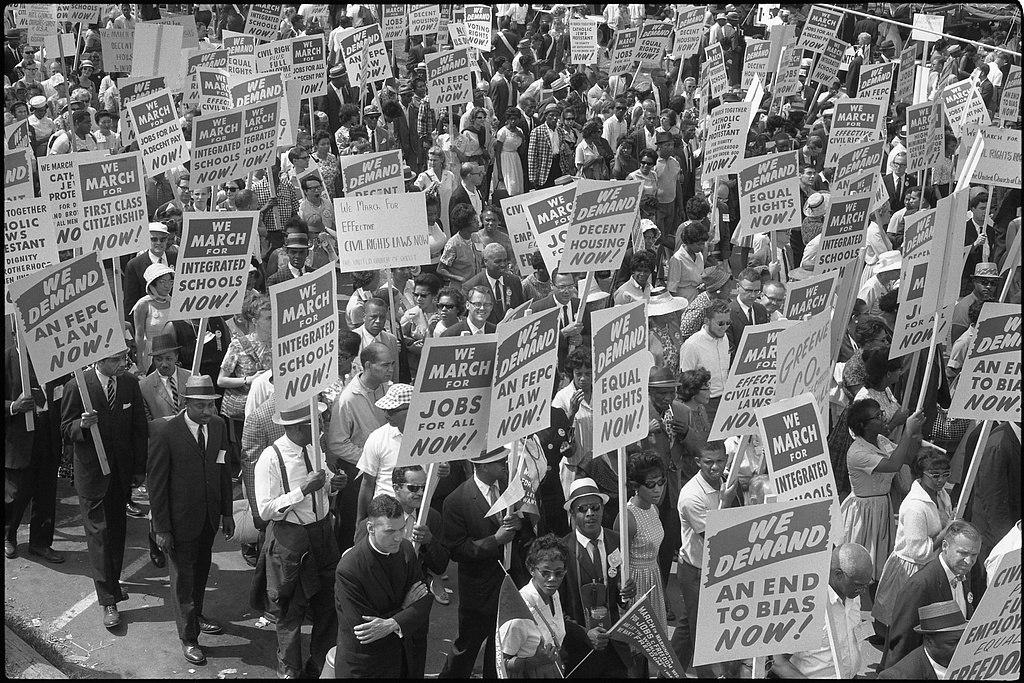
Commemorative celebrations offer opportunities to highlight narratives that include cooperators of color. This workshop, presented by LaDonna Sanders Redmond, will discuss the legacy of Dr. King and the roots of the food justice movement. Attendees will also receive a calendar of events to consider commemoration activities for their co-op.
Cost: Pay-what-you-can (minimum $15)
Register for the event at Columinate
Media image
Publication date
Black Millionaires Won't Lift Us Up, But Cooperation & the Solidarity Economy Might
20 views
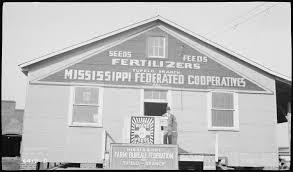
Has raising up more black millionaires been a successful economic development strategy for our communities? Evidently not. What's the alternative to gentrification, to stadiums, to ruthless exploitation? It's the solidarity economy. It's cooperation. It's democratically owned, worker-run cooperatives for child care, retail, auto repair, factories, health care, you name it. It's already rising in Jackson Mississippi, and soon, near you.
Read the full article at Black Agenda Report
Media image
Publication date
Inside Worker-Owned Brooklyn Packers
35 views
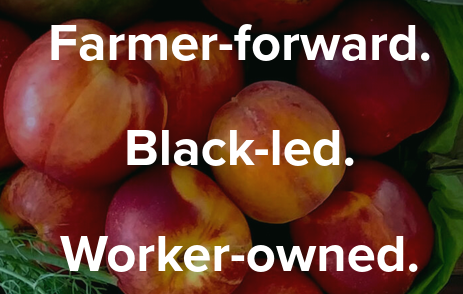
"Working cooperatively is in our bones, it's in our blood. Caring for each other is part of our survival," says Steph Wiley. He stands on an industrial street in Brownsville, New York. The sidewalk is lined with empty wooden pallets and thick bundles of cardboard stacked waist high, evidence of a busy day at Brooklyn Packers, the Black-led worker owned food distribution cooperative that Wiley co-founded on solidarity economy principles.
The collaborative food sourcing, packing and distribution that culminates here is an integral link in an alternative supply chain that Wiley, 47, and other long-term residents of Central Brooklyn are building together essentially from scratch. Its growth during the pandemic is evidence that their vision for a local regenerative food economy is not only sustainable, it's essential.
Media image
Publication date
Add new comment