
How Cooperation Is Changing the Market for Natural Produce
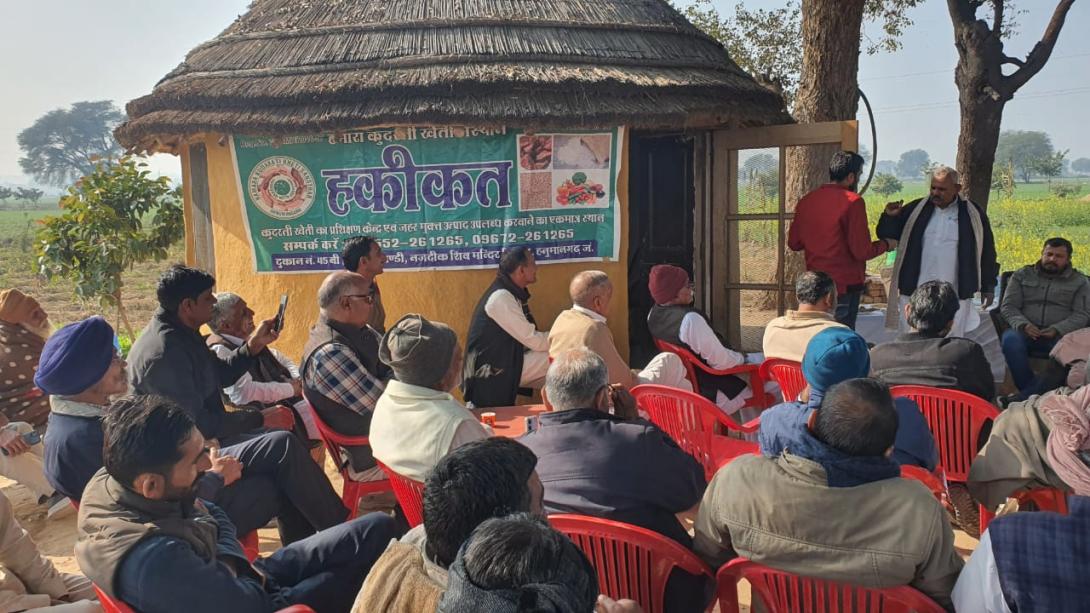
In Hanumangarh, Rajasthan, India an organization called ' Hakeekat' attempted to connect farmers practicing natural farming with the market. The organization suffered losses, and some of the produce went bad. Faced with the prospect of closure, the farmers came together to find a way forward. Today, a Farmer Producer Company (FPC) linked to this initiative procures the farmers' produce and sells approximately 200 types of household products.
A farmer in Naiwala village, in Rajasthan’s Hanumangarh district, had harvested a large quantity of onions. With his daughter’s wedding approaching, he was in urgent need of money. He arrived with a cartload of onions to see Omprakash Manju, a retired statistics officer. The farmer wanted to know where he could sell his produce.
At the time, Manju was encouraging farmers in the district to adopt organic and natural farming practices. Manju agreed to take the onions and try to sell them to help the farmer. However, only half the stock could be sold; the rest spoiled.
This occurred in 2016. Manju’s goal was to help farmers shift toward natural farming by reducing their reliance on chemical fertilizers and pesticides. To achieve this, he began organizing the farmers. But the incident with the onions highlighted a practical challenge: even if farmers were willing to change their cultivation methods, how could they sustain this path if there was no system in place to sell their harvest once it was ready?
The experience prompted Hamara Kudrati Kheti Sansthan, known as Hakeekat, to rethink how it could help farmers sell their produce. The organization realized that merely educating farmers about natural farming was not enough; they also needed a market to sell their produce.
From 20 Farmers to a Wider Natural Farming Network
In 2016, Omprakash Manju began seeking out farmers interested in natural farming. In the initial phase, he found 20 such farmers. These farmers came together to establish Hamara Kudrati Kheti Sansthan– Hakeekat (Our Natural Farming Institute– Hakeekat). Its objective was to promote cow-based natural farming, improve soil health, and provide safe food to the public. Hamara Kudrati Kheti Sansthan—Hakeekat is a registered organisation under the Rajasthan Co-operative Societies Act, registered with the Cooperation Department of the Government of Rajasthan.
Over the next year, they visited villages to meet farmers and talk to them about natural farming. farmers already practicing natural farming shared their insights with others. Gradually, about 350 farmers joined this initiative, each contributing 100 rupees for membership. However, as they adopted natural farming, the farmers faced challenges regarding market access. Following an incident involving an onion farmer in Naiwala, the organization decided to take charge of the procurement and sale of the produce.
In November 2016, the organization rented a shop in Hanumangarh to buy and sell wheat, rice, pulses and other farm produce. In 2017, an additional shop was rented at the local grain market. As the organization bought more produce from farmers, it struggled to store and manage the growing stocks. This led to losses; for instance, a consignment of approximately 100 quintals of paddy spoiled due to poor storage conditions and damage caused by rodents. Adhering to the principles of natural farming, the organization refrained from using pesticides to protect the grain. Consequently, a significant portion of the produce had to be sold at a low price.
Meanwhile, the profit margin on the trade was only five percent, while expenses—such as shop rent and staff salaries—remained high. As a result, the organization incurred a loss of 2.2 million rupees (22 lakh rupees) in 2018.
How Farmers Turned a Failing Venture Around
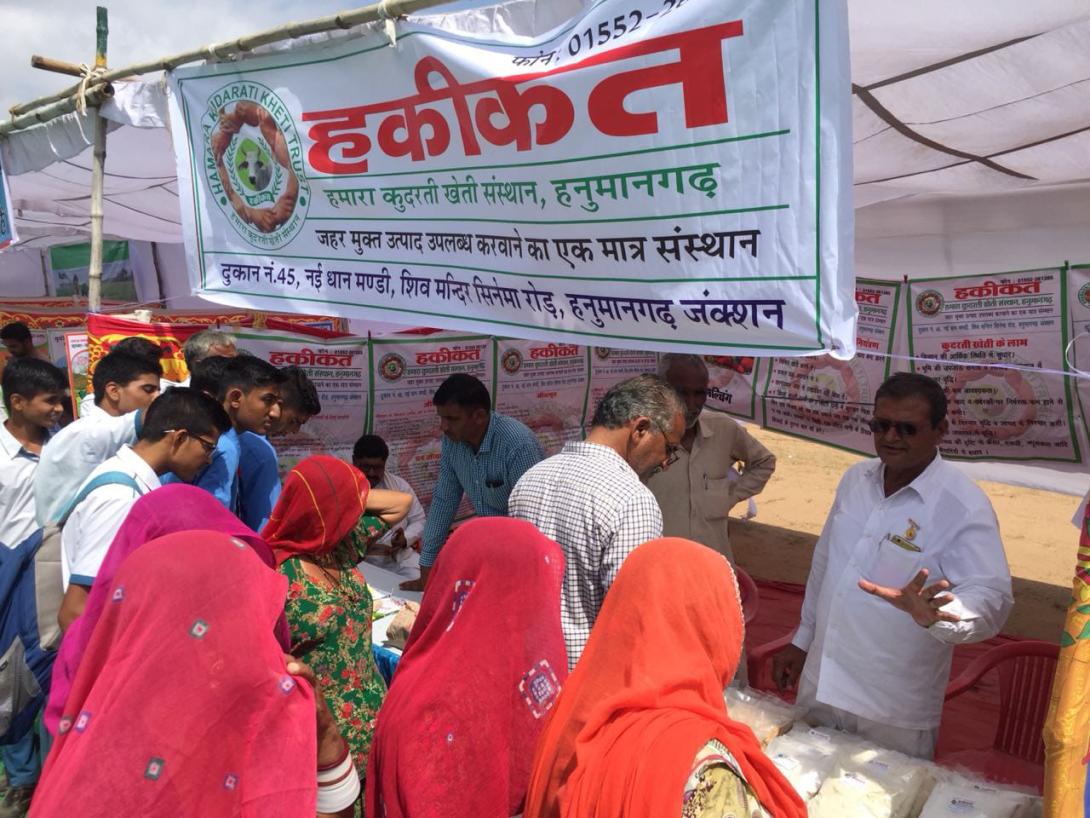
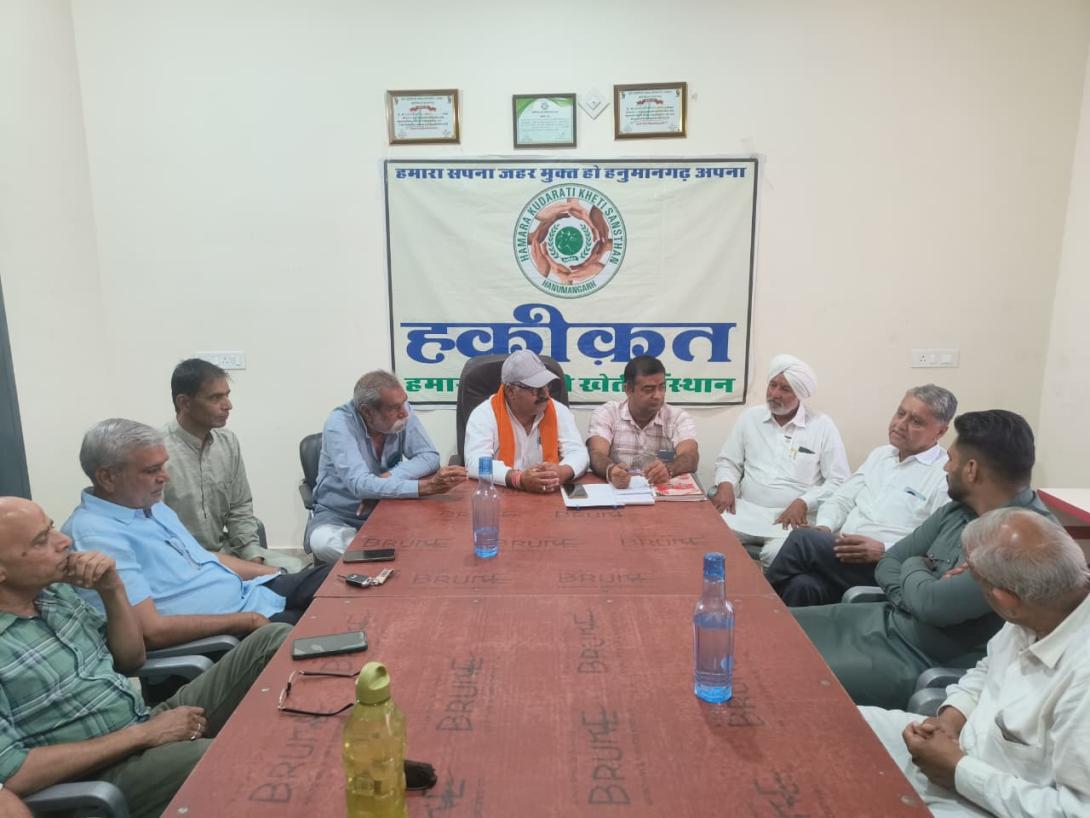
Bhagwan Singh Khudi, the president of ‘Hakeekat,’ explains that following these losses, a meeting was held with the participating farmers. While some suggested shutting down the initiative, others wished to continue. They eventually decided to change the way the organization worked rather than shut it down. An agreement was reached to improve storage, increase business margins, and reduce expenses. The organization decided to raise its margin from approximately five percent to 15 percent. Farmers also began doing much of the work themselves instead of relying on paid staff. They took charge of cleaning the grain—removing pebbles, stones, and other impurities—and assisted with the organization’s day-to-day operations. This reduced expenditure on staff and increased the farmers' own involvement.
According to Khudi, the farmers stood by the organization even during difficult times. The business gradually recovered, and by 2021, the organization had recouped its ₹22 lakh loss.
Jagdish Singh, a farmer from Thethar village, also recalls that period. For several years, he has been practicing natural farming on his five bighas of land. A bigha is a traditional unit of land measurement. He primarily grows wheat, and his produce is sold through the system established by ' Hakeekat '.
Jagdish Singh shares that when the organization faced a loss of ₹22 lakh, the farmers were worried that the initiative might come to an end. They worked together to save it. Now, he plans to expand his natural farming area from five bighas to eight bighas.
How Hakeekat Set Up a Farmer Producer Company
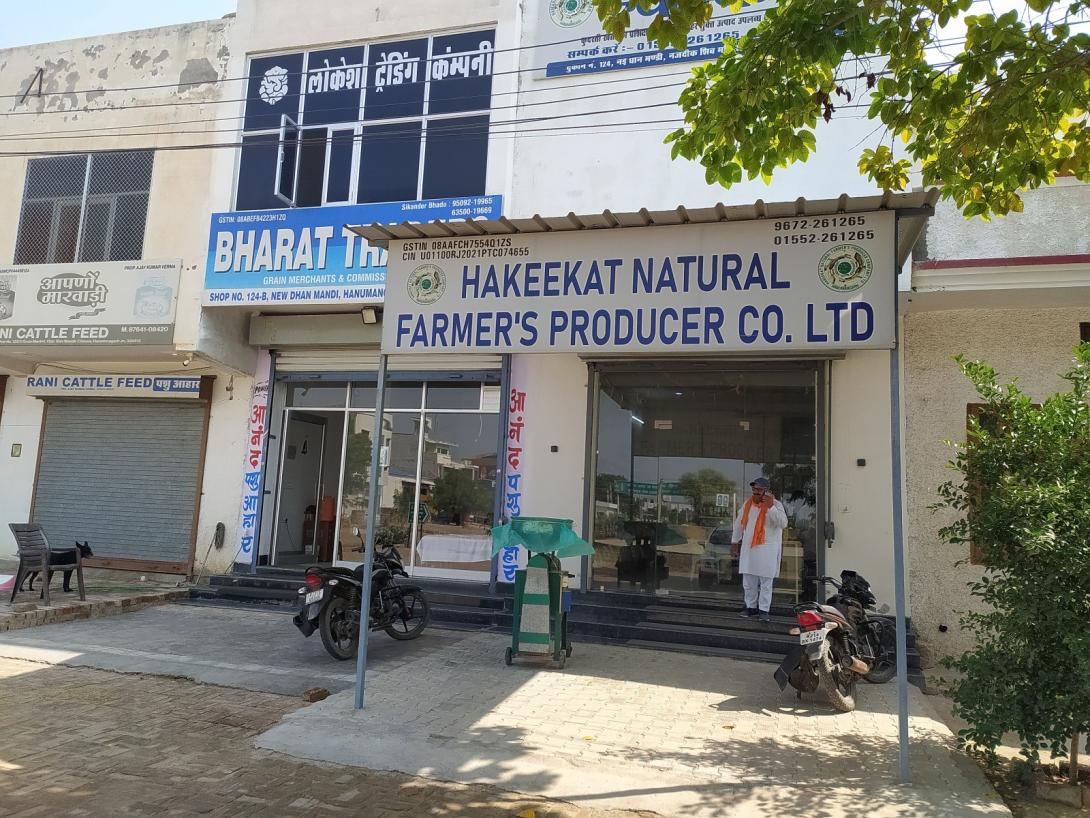
In March 2021, the farmers associated with ' Hakeekat ' decided to form a Farmer Producer Company (FPC) to streamline the procurement and sale of their produce. In June 2021, ' Hakeekat Natural Farmers Producer Company Limited' was registered.
Hakeekat set up the Farmer Producer Company to handle the purchase, processing and sale of farmers’ produce. While the organization focuses on promoting natural farming and providing support to the farmers, the company manages the business operations.
The company has approximately 70 farmer shareholders, each of whom contributed ₹1,000. Farmers associated with the company say they have a say in its decisions. The farmers are not just selling their crops to the company; they also have a say in how it is run.
Farmers determine crop prices
In an annual meeting held every March, farmers decide the procurement prices for various crops. According to Bhagwan Singh Khudi, all the member farmers determine these procurement prices during the meeting. Each year, the prices are set higher than those of the previous year. Citing the example of mustard, Khudi explains that in 2025, while the market price for mustard was approximately ₹4,500 per quintal, the company purchased it from the farmers at ₹7,000 per quintal. Subsequently, for 2026, the procurement price was increased to ₹7,400 per quintal.
Similarly, in 2025, despite a market price of approximately ₹2,500 per quintal for wheat, the company set the procurement price at ₹4,100 per quintal. This was later raised to ₹4,350 per quintal for 2026.
Farmers who sell their produce to the company but store it safely in their villages receive an additional ₹1 per quintal. Rakesh Godara, a former director of the company from Subhanwala village, notes that the yield for many crops under natural farming is lower compared to chemical-based farming. Based on his experience, the yield for mustard is about five quintals per bigha in chemical farming, whereas in natural farming, it ranges from three to three-and-a-half quintals. For wheat, the yield is 12 to 14 quintals per bigha under chemical farming, compared to about seven to eight quintals under natural farming.
Godara says natural farming reduces spending on chemical fertilizers and pesticides. He adds that the higher prices paid by the organization help farmers offset the lower yields.
Farming Costs and Farmers' Experiences
Bhagirath Matoria, a farmer from Rampura village, owns 12 bighas of irrigated land and six bighas of unirrigated land. He cultivates wheat, chickpeas, mustard, groundnuts, sesame, and pearl millet. In 2016, acting on the advice of farmers associated with an organization, he transitioned to natural farming. Matoria notes that the first two years were challenging; he lacked sufficient experience in natural farming, and there was no reliable market to sell his produce. During this period, he even incurred losses. Over time, however, he gained a better understanding of the farming methods, and his operations began to stabilize.
He now prepares his own fertilizers and pesticides for use on his farm. According to him, he previously spent thousands of rupees on chemical fertilizers and pesticides; now, he produces many of the necessary agricultural inputs at a significantly lower cost. Matoria’s family consumes grains and other produce grown through natural farming methods. He also shares some of his harvest with relatives and friends, while the remainder is sold to the organization. He mentions that meetings are held to determine procurement prices for the crops, and he expresses satisfaction with the current arrangement.
From Farm to Household
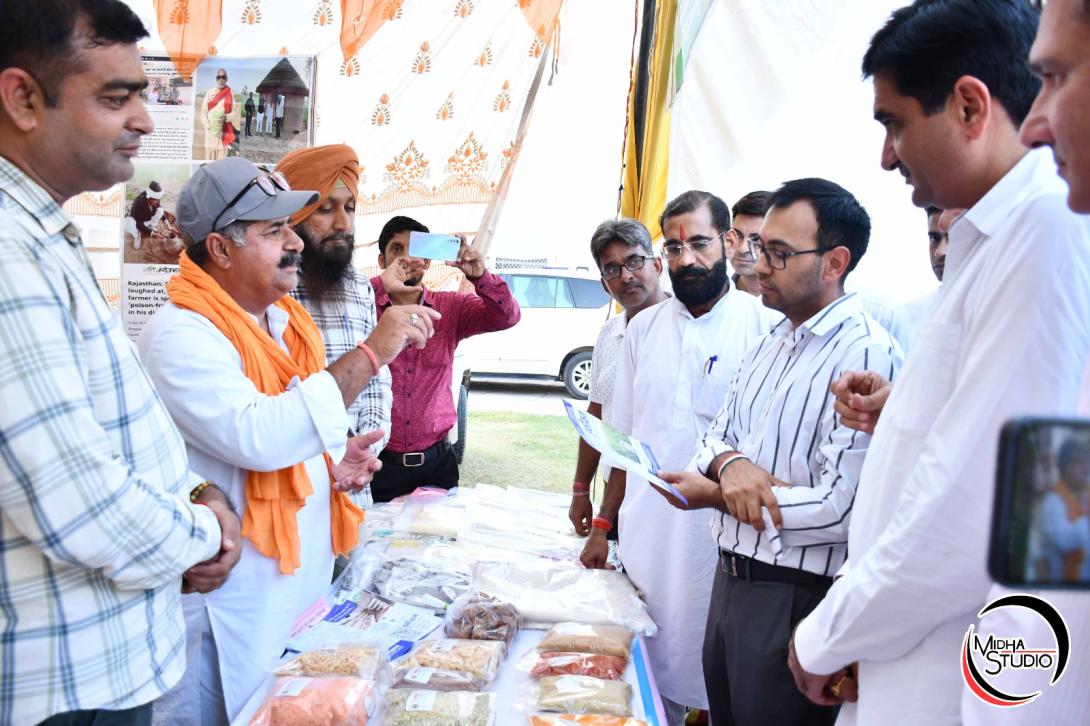
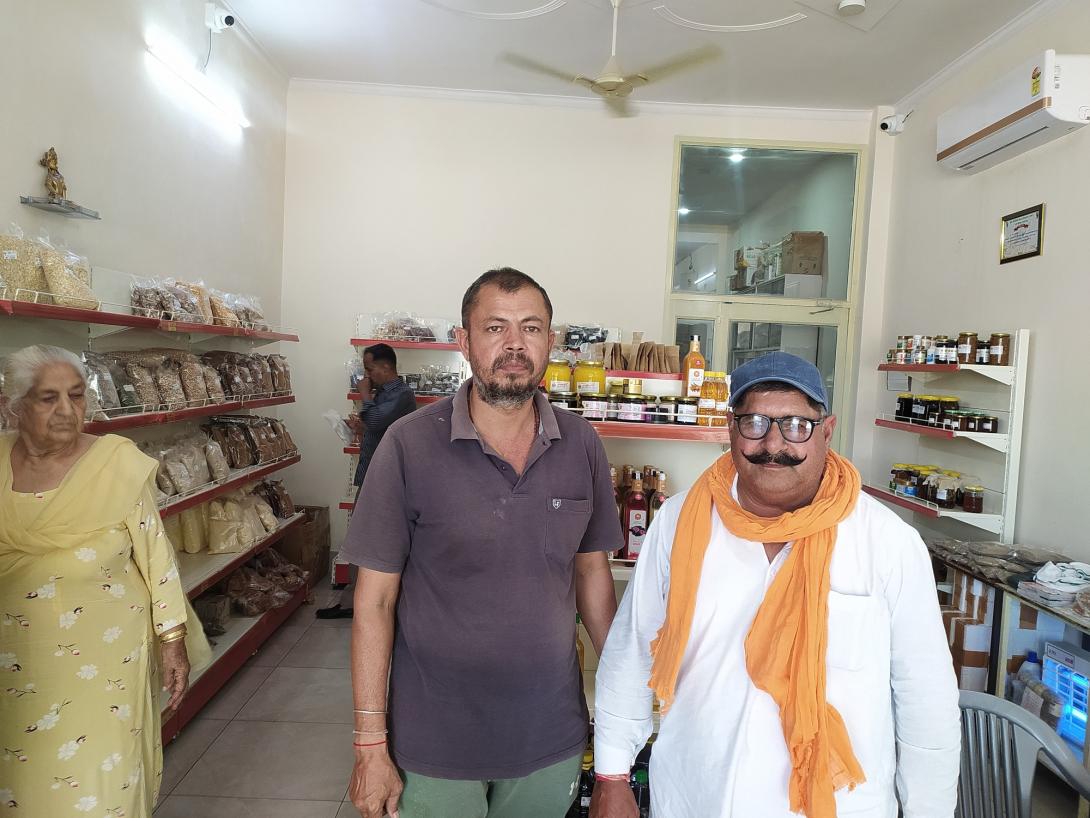
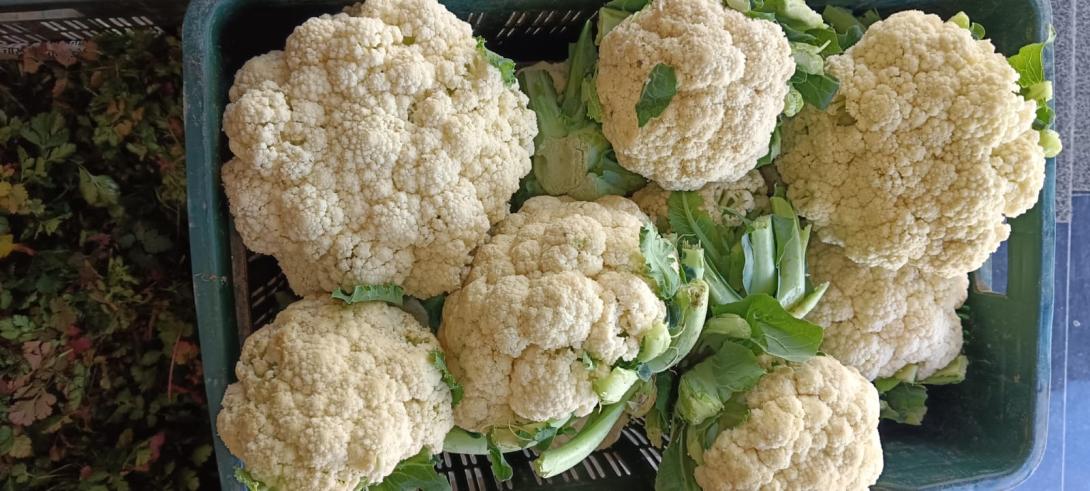
Farmer Producer Company associated with Hakeekat now does much more than buy grain from farmers. In Hanumangarh, the company operates warehouses, processing facilities, a grain mill, and a ghani (traditional oil press) for extracting oil from mustard, coconut, flaxseed, almonds, and sesame. Women are employed for tasks such as cleaning the grains and removing stones or debris. The company operates two large retail stores that stock around 200 types of household products. These include different kinds of grains and pulses, various oils, spices, syrups, jams, dried fruits, biscuits, vegetables, fresh fruits, medicinal products and many other food items.
The number of households regularly buying products from the company has grown to around 3,000. The company also stays in touch with customers through WhatsApp groups. Orders from cities across India are dispatched by courier. The company plans to develop an online sales system in the future.
The company’s business has also grown. According to Bhagwan Singh Khudi, its turnover in 2023 was approximately ₹50 lakh, which has now reached around ₹2 crore. Regarding the company’s products, Bhagwan Singh Khudi explains that before procurement, the produce is tested in laboratories located in Chandigarh, Ahmedabad, and Bengaluru.
The organisation has been honoured several times for its outstanding work in promoting organic farming and supporting farmers. In 2025, it received the Millennium Farmer of India Award from Agriculture Jagran in New Delhi. The award was presented to the organisation’s chairman, Bhagwan Singh Khudi, by Ricky Thapar, Joint Secretary of the Poultry Federation of India, and Alyona Vasyunina, Director of International Affairs and Cooperation, Russia.
A system built on farmers' trust
B.R. Bakolia, a Deputy Director of Agriculture Department in Hanumangarh, considers this initiative highly beneficial for farmers. According to him, the organization has encouraged farmers to practice natural farming; by beginning to purchase their produce, it has instilled confidence in farmers that there is a viable market for crops grown through natural methods. At the same time, consumers have gained access to these products.
Bakolia states, “The organization has shown that farmers can manage the system themselves. This model should be extended to more farmers.”
Citations
Amarpal Singh Verma (2026). India’s Farmer-Led Economic Model: How Cooperation Is Changing the Market for Natural Produce. Grassroots Economic Organizing (GEO). https://geo.coop/articles/indias-farmer-led-economic-model
Add new comment