
In truth, I have always grappled with seeing myself as a traditional academic. Many theatre faculty artists with MFAs struggle with this feeling. The artistic compromise one often feels when researching and producing scholarship is not where I, as a tenure-track professor, felt most conflicted. I wish that were the basic fundamental struggle. From well-intentioned colleagues casting African-American students in stereotyped roles and in roles that were unequivocally Eurocentric to strategizing mainstage season lineups that did not include African-American playwrights (i.e., stories about black people for other black people), the largest obstacle was the level of resistance to provide a safe space for black student artists to grow into their own authenticity through theatre.
Since being on tenure-track, cultivating resilience as a minority and being an unofficial diversity officer has been the nature of the job. White people’s need of me to help them understand my culture, my aesthetic, i.e., myself, was flattering for a while, I admit. It even got me believing that maybe I was “at home.” Was I “at home” because white people needed me for their own survival and vibrancy? Was being a minority and a diversity champion my assigned territory?
When I ask myself how did I get here? How did I find my way into a profession where I am constantly finding ways to survive? How did I, an HBCU graduate, end up in a workspace where there is such resistance to having serious conversations about diversity and inclusion? Where there is exclusion of one’s experience and survival is nearly impossible because you—because I—essentially don’t count, I ask myself again, is this how being “at home” is supposed to feel?
Go to the GEO front page
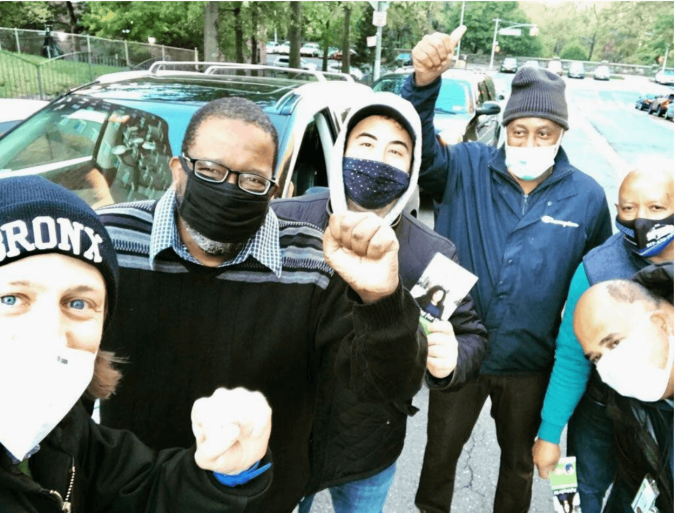

 A vision of a community-led “solidarity economy” is capturing the attention of a new generation of progressive New Yorkers. Seeking to address the ecological, economic, and political crises of our time, local groups are reinvigorating cooperative economic models and inventing new ones, putting into action a vision for an economic system that is based on values of social and racial justice, ecological sustainability, cooperation, mutualism, and democracy. They are creating and sustaining worker cooperatives, community development credit unions, community land trusts, low-income housing and food co-ops, and community gardens -- strengthening neighborhoods, making them more resilient, and meeting community needs.
Add new comment