
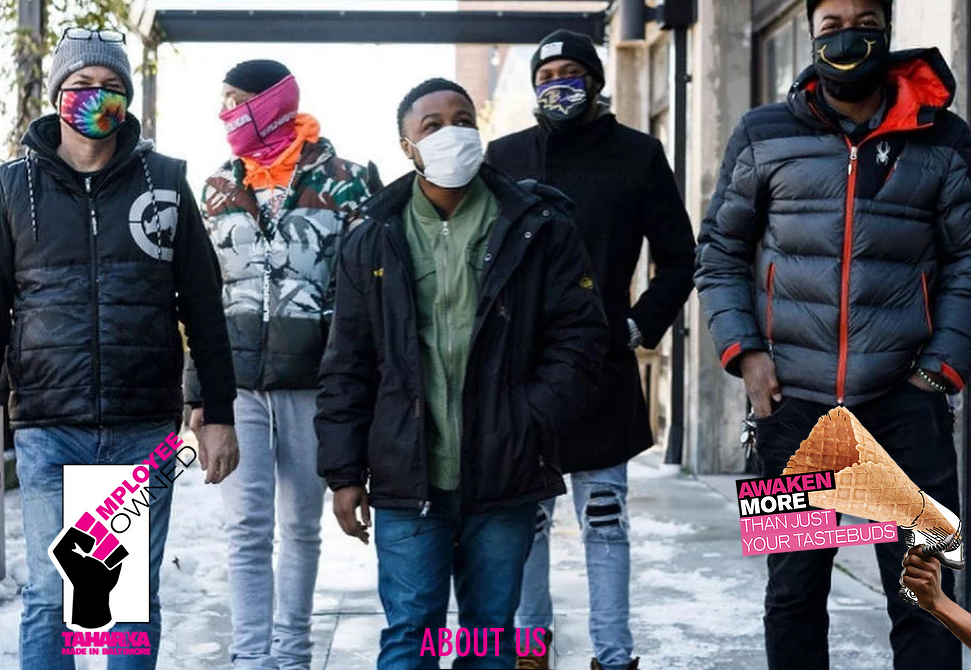
Last fall, when restaurants were working desperately to keep their doors open amid coronavirus restrictions, A Slice of New York pizza shops in Sunnyvale and San Jose voluntarily closed for an entire week to give employees a paid, mandatory break.
The decision came after one brutal Friday night shift — following six months of brutal shifts — during which co-owner Kirk Vartan watched employees physically and emotionally break down around him. The next day, he called a board meeting.
A Slice of New York is a worker cooperative, meaning the closure had to be approved by the employee-run board. Shutting down for a week would cost upwards of $25,000, not counting lost revenue, but would give the staff paid time off to rest and recharge. The board agreed.
“This is their profits, too. This is where people are taking time to think about the long term and that’s where I see people really understanding the weight of ownership,” Vartan said. “It’s not about today. It’s not about what you get. It’s how do you sustain and what does it take to sustain?”
Read the rest at Mountain View Voice
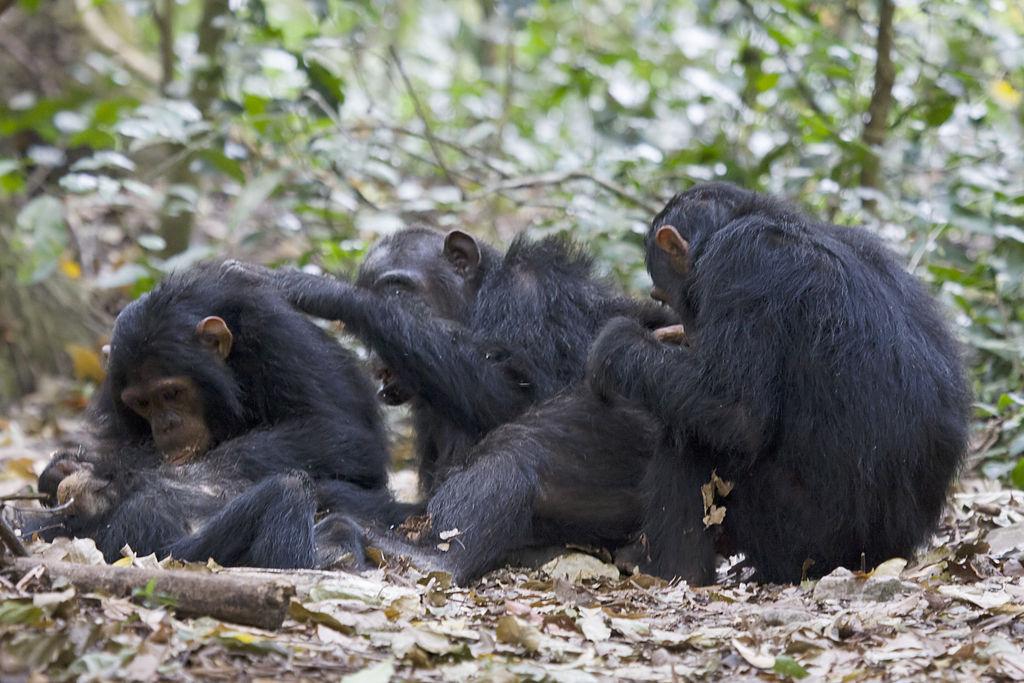
 The human response to unfairness evolved in order to support long-term cooperation, according to a research team from Georgia State University and Emory University.
 From September 25th-27th, more than 230 practitioners, researchers, organizers, and experts came together in Oakland and Vallejo to learn from each other about how to start more – and improve existing – PB processes as part of the 3rd International Conference on Participatory Budgeting in North America (#PBConf).
Add new comment