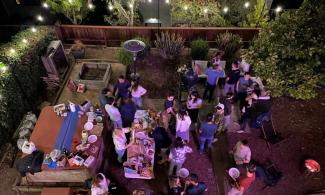
I spoke with two notable architects – Neeraj Bhatia and Antje Steinmüller – who have intensively studied the social and economic dynamics of co-living. This is a relatively neglected field of inquiry in architecture, housing development, and urban policy. But as my two interviewees explained, commoning can play a powerful role in expanding this overlooked sector of housing.
The widespread use of LLMs in FLOSS is becoming a multidimensional attack on the trust between contributors and the very idea of convivial collaboration itself.
Our modern mental maps of commons are woefully inadequate, in part because we have forgotten the history of commons and its once-flourishing folk culture.
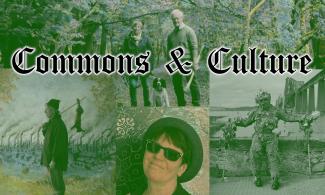
I interviewed Bianca Elzenbaumer for my latest podcast of Frontiers of Commoning (Episode #75) to learn more about the group’s very different vision of development.
What might the world look like if climate change is not stopped? What if societies refuse to, or cannot rein in capitalism and its relentless growth and exploitation of nature?
We need to shift to a new system, so that we can be fed, watered, housed, cared for, and enjoy our lives as best as possible in a more environmentally-unstable future.
Recently, the Garrison Institute invited me to write a short essay about the interconnectedness of all living beings and how commons can serve as vehicles for manifesting that idea.
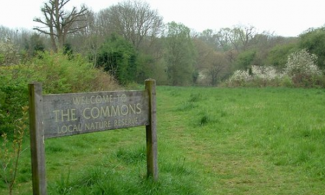
The Commons are a set of resources and places that are accessible to all members of society (parks, libraries, air). When we say 'the commons' we are referring to things and places that are held collectively, not owned privately.